
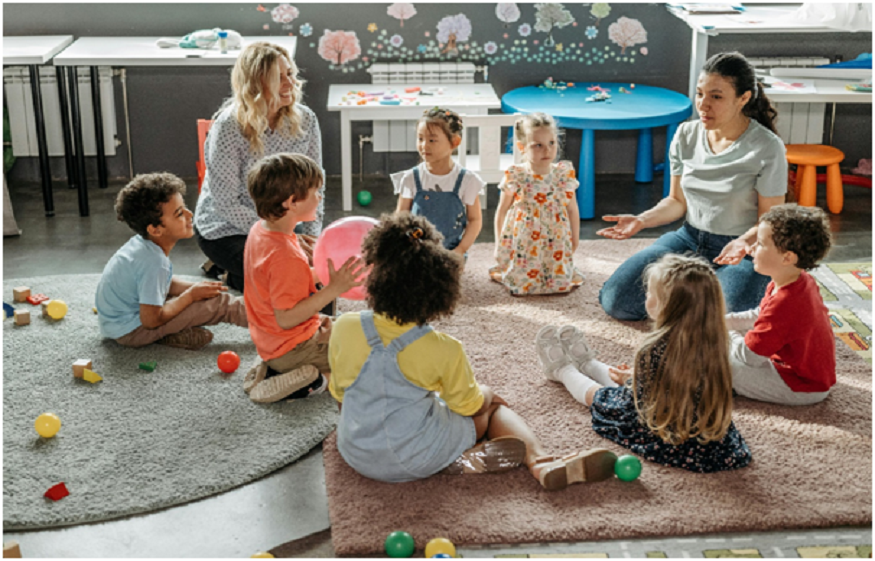
The Montessori method of education has long been regarded as one of the most child-centred approaches to teaching, emphasising independence, exploration, and self-directed learning. It is grounded in the belief that children learn best when they are active participants in their learning process.
This approach becomes particularly critical in the Montessori Elementary environment, where the goal is not only to impart knowledge but also to foster curiosity, critical thinking, and a lifelong love of learning. In this blog, we’ll explore the importance of follow-up work in the Montessori Elementary classroom, why it’s crucial for the child’s educational journey, and how Montessori Teacher Training Courses can prepare educators to guide students effectively in this process.
Understanding Follow-Up Work in the Montessori Environment
In Montessori education, follow-up work refers to the teacher’s ongoing, intentional observation and support of each child’s progress after an initial lesson or activity. The aim is to track how a child engages with the material, what concepts they grasp, and where they might need additional support or challenges. Follow-up work is a process that evolves based on the child’s individual pace, interests, and learning style, making it an incredibly personalised approach to education.
The follow-up process in a Montessori classroom is not just about reiterating lessons or testing a child’s knowledge. It’s a dynamic and holistic process that connects learning experiences with real-world applications. This approach helps the teacher understand not only what the child is learning but also how they are thinking, problem-solving, and interacting with their environment.
The Role of the Montessori Teacher in Follow-Up Work
The role of the Montessori teacher can be compared to that of a guide on a journey. Teachers don’t direct or control the child’s path; instead, they create an environment where the child feels encouraged to explore, ask questions, and problem-solve on their own. One key aspect of this approach is learning how to implement follow-up work in Montessori classrooms. After an initial lesson, the Montessori teacher takes note of how the child interacts with the material. Do they complete the task independently? Do they return to it multiple times, suggesting deep interest? Or do they need further support or encouragement? This ongoing observation forms the foundation of follow-up work, allowing the teacher to tailor their guidance to each child’s unique learning needs.
Teachers also use follow-up work to introduce new materials or variations of previous activities that are designed to meet the child’s evolving needs. This process ensures that each child receives the appropriate level of challenge and that their natural curiosity is nurtured. Follow-up work is not rigid or prescriptive. It is flexible, allowing the teacher to adapt to the child’s learning needs in real-time.
Follow-Up Work in Different Areas of the Montessori Elementary Curriculum
Here are some key ways follow-up work enhances learning across different areas of the Montessori Elementary curriculum, ensuring personalised support and continued growth:
Language Development
In the Montessori Elementary environment, language is a central focus. Children begin to develop more sophisticated writing, reading, and speaking skills. Follow-up work here might include providing opportunities for children to write creatively, read more complex texts, or engage in discussions that challenge their verbal reasoning.
A child who has mastered writing short sentences might be encouraged to write short stories or engage in group discussions to further develop their language skills.
Mathematics
In Montessori education, mathematics is often introduced through concrete materials before moving to abstract concepts. After a child has had an initial lesson with materials like the golden beads, the teacher might follow up with more challenging problems or tasks that require the child to apply mathematical principles to real-world scenarios.
This could involve tasks such as calculating the total cost of items in a store, measuring ingredients for a recipe, or exploring geometric concepts through hands-on activities.
Science and Geography
Follow-up work in science and geography encourages children to observe and investigate the natural world around them. After an initial lesson about ecosystems, for example, follow-up work could include taking a nature walk, observing local wildlife, or conducting experiments that allow children to test scientific principles.
In geography, children might be encouraged to create maps, study the climate of different regions, or research the cultures and history of different countries.
Social Studies and History
Follow-up work in social studies and history helps children connect historical events to the present day. After a lesson on ancient civilisations, for example, children might be asked to research how those civilisations impacted modern society.
This type of follow-up work encourages children to think critically about history and its relevance to their own lives.
The Benefits of Follow-Up Work
The benefits of follow-up work in the Montessori Elementary environment are numerous, both for the child’s academic development and personal growth.
Here are a few of the key benefits:
Encourages Independent Learning
Follow-up work allows children to revisit concepts on their own, fostering a sense of independence. Rather than relying on the teacher to constantly provide new information, children are empowered to take charge of their learning process. This helps develop self-discipline, perseverance, and a strong work ethic.
Promotes Critical Thinking
By engaging in follow-up activities, children are challenged to think critically and apply their knowledge in new ways. This process helps them develop problem-solving skills and the ability to think creatively, which are essential life skills.
Fosters a Love for Learning
Follow-up work in the Montessori Elementary environment is designed to be engaging and relevant to the child’s interests. When children are given opportunities to explore topics they are passionate about, they develop a love for learning that extends beyond the classroom.
Supports Personalised Learning
Every child learns at their own pace, and follow-up work allows the teacher to tailor the learning experience to each child’s needs. Whether a child needs additional support or is ready for more advanced challenges, follow-up work provides the flexibility to meet those needs.
Bottom Line
By carefully observing and supporting each child’s developmental journey, Montessori teachers empower students to become independent, critical thinkers who take ownership of their education. For those interested in pursuing a career in Montessori education, an MTT Course Online offer the knowledge and skills needed to make a significant impact in the classroom. By embracing the principles of follow-up work, Montessori educators can truly follow the child, guiding them on a path toward lifelong learning and success.
 Tech Industry Myths That Might Be Holding You Back
  How to Prepare Your Child for Their First Swimming Lesson
  Why this enthusiasm for soft skills?
  Common Mistakes That Can Hurt Your Driving Test Preparation
  5 Effective Strategies for Students With Scattered Minds
  Architecture as a Career: What Students Should Know Before Writing NATA
  How School Budget Cuts Are Affecting SEND Students and Their Support