
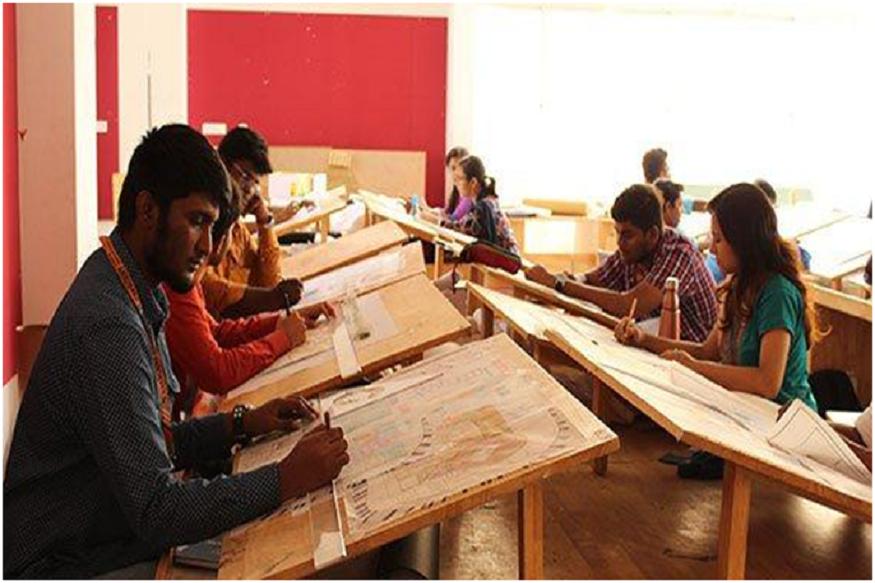
Choosing architecture as a career often begins with a simple fascination—buildings, spaces, cities, or even just sketching structures in a notebook. But as exciting as it looks from the outside, architecture is a demanding, deeply creative, and long-term commitment. If you’re planning to write the NATA, it’s important to understand what lies ahead—not just the exam, but the journey after it.
Related: NATA Exam preparation tips 2026
This guide will help you get a clear, realistic picture of architecture as a career so you can decide if it’s truly the right fit for you.
What Architecture Really Means
Architecture is not just about designing beautiful buildings. It is about solving real-world problems through design—creating spaces that are functional, sustainable, safe, and meaningful.
Architects think about:
- How people use spaces
- How structures interact with the environment
- How aesthetics and function can coexist
- How design impacts everyday life
It’s a mix of art, science, engineering, and psychology—all rolled into one profession.
Read More:How School Budget Cuts Are Affecting SEND Students and Their Support
Why Students Choose Architecture
Many students are drawn to architecture because it allows them to:
- Combine creativity with technical skills
- Work on real-world projects
- See their ideas come to life
- Build a long-term, respected career
Unlike many careers, architecture gives you the satisfaction of creating something tangible and lasting.
What is NATA and Why It Matters
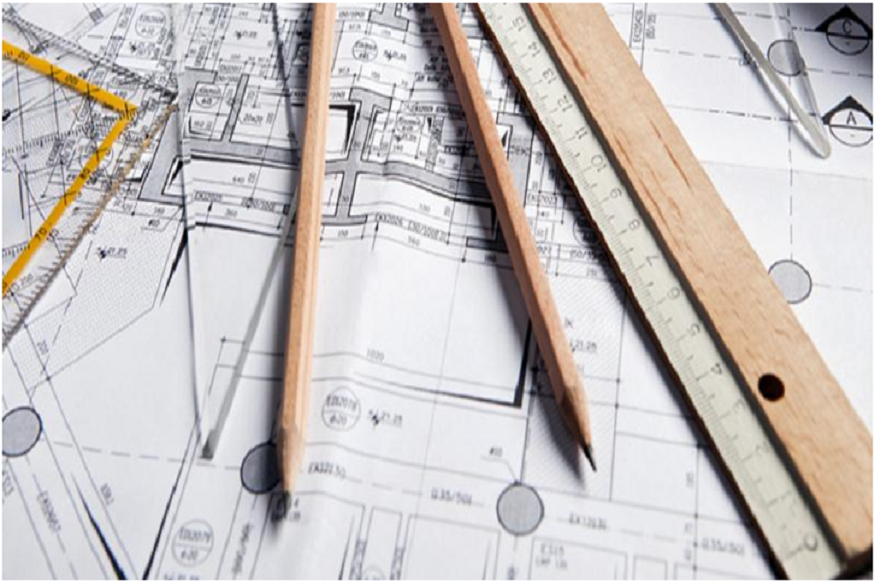
The NATA is the gateway to most architecture colleges in India. It tests whether you have the basic aptitude required for architecture.
The exam evaluates:
- Drawing and sketching skills
- Observation and visualization ability
- Logical reasoning
- Sense of proportion and perspective
- General awareness of architecture
It’s not about being perfect—it’s about showing how you think and express ideas visually.
Skills You Need Before Writing NATA
Before attempting NATA, students should start developing certain foundational skills:
1. Drawing & Visualization
You don’t need to be an artist, but you should be able to:
- Sketch objects and scenes
- Understand perspective
- Represent ideas visually
2. Creativity & Problem Solving
Architecture is not about copying designs—it’s about creating solutions.
You’ll be expected to:
- Think out of the box
- Solve design problems
- Imagine spaces creatively
3. Basic Mathematical Understanding
While it’s not heavily math-focused, you still need:
- Basic geometry
- Spatial understanding
- Logical reasoning
4. Observation Skills
Architects notice details that others don’t:
- Light and shadow
- Space usage
- Structure and form
This skill is crucial both for NATA and your future studies.
What Studying Architecture is Actually Like
Architecture college is very different from school. It’s intense, creative, and sometimes overwhelming.
Here’s what you can expect:
Long Studio Hours
You’ll spend hours working on:
- Design projects
- Models
- Drawings
Deadlines can be tough, and late nights are common.
Model Making & Practical Work
You’ll build physical models of your designs using:
- Cardboard
- Wood
- Other materials
This hands-on learning is a core part of architecture.
Presentations & Jury Reviews
You’ll regularly present your work to professors and external juries.
This helps you:
- Improve communication
- Defend your ideas
- Think critically
Continuous Learning
Architecture is not about exams—it’s about constant improvement through projects.
Career Opportunities After Architecture
Architecture offers diverse career paths beyond just being an architect:
- Residential and commercial architect
- Urban planner
- Interior designer
- Landscape architect
- Set designer (films/events)
- Sustainable design consultant
- UI/UX designer (with additional skills)
You can also start your own firm or work with established architecture studios.
Pros and Cons of Architecture
Pros
- Creative and fulfilling career
- High respect and recognition
- Opportunity to work on impactful projects
- Diverse career options
Cons
- Long study duration (5 years B.Arch)
- Intense workload and deadlines
- Requires patience and consistency
- Growth can be gradual initially
Is Architecture the Right Career for You?
Ask yourself:
- Do I enjoy sketching and designing?
- Am I curious about buildings and spaces?
- Can I handle long hours of creative work?
- Do I like solving problems visually?
If your answer is mostly “yes,” architecture could be a great fit.
Read More: Know How To Secure Admission In Top UK Universities: Tips For Overseas Applicants
Why Guidance Matters Before NATA
Preparing for NATA without guidance can be confusing. Many students struggle with:
- What to study
- How to improve drawing skills
- How to approach design questions
This is where structured coaching—like what MAD School offers—can make a big difference.
With the right guidance, you can:
- Build strong fundamentals
- Practice with real exam-level questions
- Improve creativity and confidence
- Get personalized feedback
If you are looking for guidance for nata coaching, we provide in the below location
| NATA Coaching classes in Hyderabad | NATA Coaching in Chennai |
| NATA Coaching centres in Kerala | NATA Coaching in Ernakulam |
Final Thoughts
Architecture is not just a career—it’s a journey that shapes how you think, observe, and create. Writing the NATA is just the first step.
Before you take that step, make sure you:
- Understand what the field demands
- Prepare the right skills
- Stay consistent and curious
If you’re passionate about design and ready to put in the effort, architecture can be one of the most rewarding careers you choose.
 5 Effective Strategies for Students With Scattered Minds
  How School Budget Cuts Are Affecting SEND Students and Their Support
  Know How To Secure Admission In Top UK Universities: Tips For Overseas Applicants
  A Step-by-Step Application Guide for Vietnamese Students Seeking High School in Australia
  Future Education Trends: These Key Elements Play Major Role In Meeting The Evolving Needs Of Students
  The Ripple Effect of Principal Burnout—and How to Stop It
  Common Mistakes That Can Hurt Your Driving Test Preparation
  Architecture as a Career: What Students Should Know Before Writing NATA